
How to Cover Blemishes with Make-up
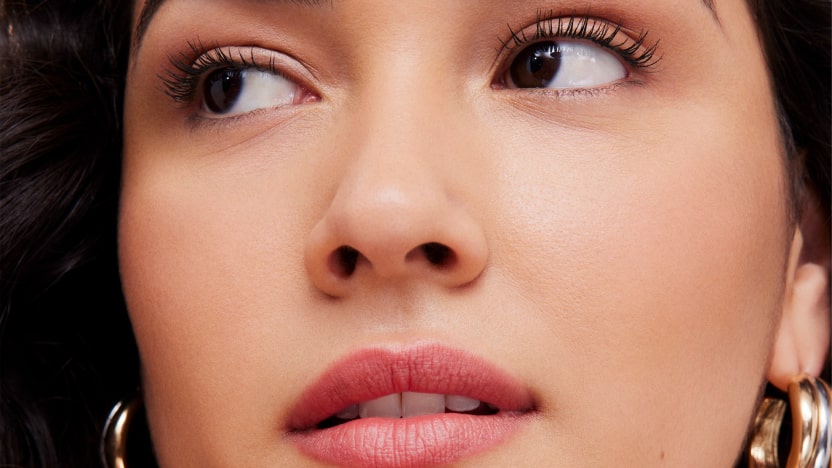
What are blemishes?
Face blemishes happen to the best of us – usually at the most inopportune times. They cover a whole range of issues, from red bumps and rashes to blackheads, whiteheads (spots) and discoloration. Sometimes, you might not know why the skin on your chin breaks out or a spot suddenly appears on your nose. Other times, you may suspect that your age or a lack of sleep has led to dark spots or undereye circles. Whatever the culprit, we can guide your on how you can cover blemishes with make-up and have an emergency kit at the ready.
Is my skincare routine causing face blemishes?
Before getting into how to cover blemishes, a quick word about using the appropriate skincare routine. If your
Prepare your skin
Executing your cover-up mission on dirty skin will only clog your pores and cause more breakouts. In other words: cleansing skincare is more important than concealing make-up. Make sure to diligently cleanse your entire face, especially the problem areas. It’s important to use a gentle face wash, such as
Apply a primer
Apply an undereye concealer
An undereye
Apply foundation
The right foundation has the power to divert all attention away from your face blemishes by making everything look uniform and smooth. The purpose of foundation, however, is not to create a mask that hides everything. The secret is to create a luminous overall effect that is radiant and natural. Regardless of the level of coverage your foundation provides, always apply a small dab to keep things extra light. When choosing a shade of foundation, narrow it down by first determining your skin tone and undertone. Then, pinpoint your shade by trying on a few hues along your jawline until one blends in perfectly.
Some foundations perform like make-up while improving your skin over time.
Clarins' make-up expert also highly recommends
Add extra coverage
If you still notice an imperfection after applying primer and foundation, you can add some extra coverage. Either reapply a very thin layer of foundation on the spot or blemish, or mix a little concealer with your foundation an apply that. The trick is not to go overboard because you risk defeating the purpose and attracting even more attention to the issue you’re trying to hide.
Set with powder
Setting your make-up is an important finishing touch when covering up blemishes. Not only does it greatly improve the hold of your foundation, but it maximizes hydration and beautifully mattifies. Our make-up expert recommends applying a thin layer of translucent or loose powder like
For maximum hold, opt for a setting solution: spray on a little
How to cover up blemishes by type of issue
In many instances, covering up face blemishes is about neutralising their colour. Clarins
How to cover dark spots on your face
Whether you want to hide an area of discolouration (hyperpigmentation), dark imperfections, scars or dark undereye circles, your best line of defence is to build layers until you achieve the desired shade. For darker blemishes on light skin, and corrections on darker skin tones, choose
Also consider a longer-term solution for puffiness and dark circles appearance: new
How to cover red spots on your face
If your skin tone concealer doesn’t cover an especially red area or spot, neutralise it by adding a few drops of
How to hide age spots on your face
To counteract multiple age spots all over your face, mix a little
The Dos and Don’ts of Covering Blemishes with Make-up
Pro advice from the Clarins make-up expert
Do prioritise skincare: Knowing how to cover up blemishes with make-up is a nice skillset when a spot appears on the morning of a big event. But it’s always better to practice good skincare and treat the spot rather than endlessly disguising it.
Do clean your brushes: The cleaner your brushes, the cleaner your face. And store them in a clean, protected place.
Do replenish make-up regularly: Old make-up can harbour bacteria that causes blemishes.
Do use the right tone: Carefully choose the shades of your concealer, foundation and setting powder.
Common mistakes to avoid when hiding imperfections
Don’t overdo, overload or overtreat: Skincare and make-up are two areas of life where less is definitely more. Your spot won’t vanish faster by using more product or make-up. In fact, you may make things even worse.
Don’t touch! Our fingers and nails come in constant contact with dirt and bacteria. Keep them away from your face at all times.
Don’t pop, pick or scratch: As tempting as it may be, resist the urge to “fix” blemishes with your fingers or a tool.
You might like


